Autism about health in 2022
Autism about health in 2022
Definition of Autism
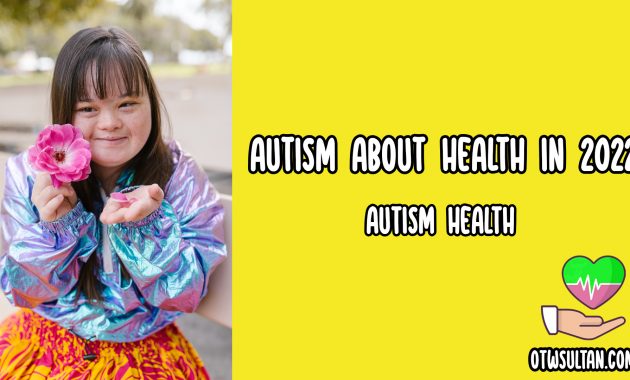
Autism spectrum disorder (ASD) or more commonly known as autism, is a neurodevelopmental disorder. The disorder affects language development and a child’s ability to communicate, interact and behave. Not only autism but ASD also includes Asperger’s syndrome, Heller’s syndrome, and pervasive developmental disorder (PPD-NOS). Remember that autism is not a disease but rather a condition in which the brain works differently than others.
Those with autism can have difficulty understanding other people’s thoughts and feelings. This makes it difficult for them to express themselves. Either with words or through gestures, facial expressions, and touch.
In addition, people with autism may also have problems when learning. Their skills may develop unevenly. For example, when a person with autism has difficulty communicating, he or she may be very good at art, music, memory, and math.
Autism Risk Factors
Factors that trigger autism are:
- Gender. Boys have up to 4 times higher risk of autism than girls.
- Hereditary factors. Parents with autism are at risk of having children with the same disorder.
- Transmission during the womb. For example, the side effects of drinking alcohol or drugs (especially epilepsy drugs for pregnant women) in the womb.
- Effects of other disorders, such as Down’s syndrome, muscular dystrophy, neurofibromatosis, Tourette’s syndrome, cerebral palsy, and Rett’s syndrome.
- Premature birth, especially babies born at 26 weeks gestation or less.
Causes of Autism
Until now, the cause of autism is still unknown. However, experts identified several genes suspected to be associated with ASD. Sometimes these genes appear and mutate spontaneously. However, people may inherit the gene from their parents in other cases.
In the case of twins, autism can occur due to the twin genes. For example, if one twin has autism, the other twin has a 36-95 percent risk of autism.
Those with autism can also experience changes in critical areas of their brain that affect how people talk and behave. Environmental factors may also play a role in the development of ASD, although doctors can confirm this.
In addition, what needs to be underlined is that autism will not be caused by the following things, including:
- Poor parenting style.
- Use of vaccines, such as the MMR vaccine.
- Consumption of food and drink.
- Infections that can be transmitted.
Symptom
Symptoms of autism are classified into two categories, namely:
- First Category : This category refers to people with autism with impairments in social interaction and communication. These symptoms can include sensitivity problems to the social environment and impaired verbal and nonverbal language use.
- Second Category : People with autism with disorders that include rigid thought patterns, interests, and repetitive behaviors. Examples of repetitive motions include tapping or squeezing your hands and getting annoyed when the routine is interrupted.
Generally, people with autism tend to have learning problems and other psychiatric conditions, such as hyperactivity disorder or also called Attention Deficit Hyperactivity Disorder (ADHD), anxiety disorders, and depression.
Diagnosis
It is actually tricky to get a definite diagnosis of autism. Doctors will usually diagnose autism based on behavioral reports and observations. For children, diagnosis usually takes two steps. Here are the descriptions:
- Developmental screening to let the doctor know if the child can follow basic skills such as learning, speaking, acting, and moving according to age. Experts recommend that children be screened for these developmental delays during routine checkups at 9 months, 18 months, and 24 or 30 months. The children will be routinely screened for autism at their 18-month and 24-month checkups.
- If the child shows a problem on this examination, they will need a more complete evaluation. A more complete evaluation may include hearing and vision tests or genetic testing. Doctors will also invite specialists who are experienced in dealing with autism disorders. For example, such as a pediatrician or child psychologist. Some psychologists may also administer the Autism Diagnostic Observation Schedule (ADOS) test.
If you were not diagnosed with autism as a child, but feel that you are showing signs or symptoms of autism, consult a doctor immediately.
Treatment
Autism cannot be cured. Even so, many types of treatment can be done to help people with autism. The goal is that they can adjust to their daily lives and develop their potential optimally. Treatment actions taken for each person with autism can be different. However, the treatment given to people with autism is generally in the form of therapy. Here are some standard treatment options for people with autism:
1. Behavioral and Communication Therapy
This therapy is done by providing several lessons for sufferers, including basic daily skills, both verbal and nonverbal. Here are some examples of behavioral and communication therapy, namely:
- Applied behavior analysis (ABA) to increase positive behavior and prevent negative behavior.
- Occupational therapy aims to help with life skills such as dressing, eating, and relating to others.
- Sensory integration therapy to help someone who has problems with touch or sight or sounds.
- Speech therapy to improve communication skills of people with autism.
2. Family Therapy
This therapy is intended for parents and families of people with autism. The goal is for families to learn how to interact with the sufferer and teach the patient to speak and behave normally.
3. Drug Administration
Giving drugs can not cure autism but can control the symptoms. Examples include drugs to treat seizures, medications to treat behavioral problems, medications to treat depression, and medications to treat sleep disorders.
Autism Complications
Untreated autism can cause problems with social interactions, communication, and behavior. If left unchecked, this condition can trigger complications in social aspects of the lives of people with autism, such as:
- Problems in school and learning success.
- Employment issues.
- Inability to live independently.
- Social isolation.
- Stress in the family.
- Being victimized and bullied.
Autism Prevention
No way can be done to prevent autism. Therefore, the first step that parents must take if their child shows symptoms of autism is to contact a doctor. Because a treatment that is carried out as early as possible for people with autism can certainly help them have a decent life.
Strengthen Children’s Immunity to Overcome Dengue Fever
Allergic Cough, These Causes and How To Treat It
5 Effective Ways to Prevent Clogged Pores
About The Author

