The Importance of the Flu Vaccine as Optimal Protection during a Pandemic
The Importance of the Flu Vaccine as Optimal Protection during a Pandemic
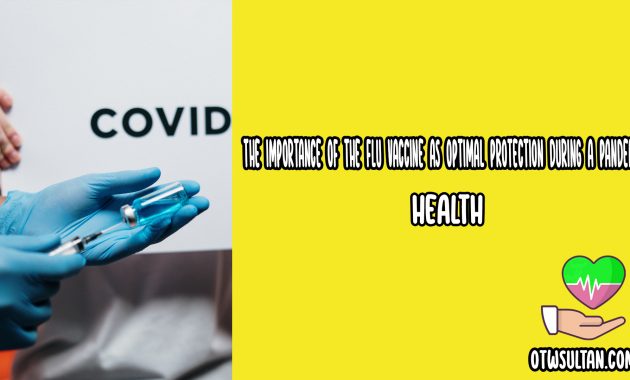
During the pandemic, flu vaccination is an activity that needs to be done to prevent infection with the influenza virus. This is because, in some groups, such as people with low immune systems or the elderly age group, flu is still at risk of causing severe complications.
According to data from the World Health Organization (WHO), there are about 650,000 reported cases of death worldwide from flu each year. This then underlies the importance of prevention programs, including flu vaccination for everyone, including children aged over six months, adults, the elderly, and risk groups.
The Benefits of the Flu Vaccine During a Pandemic
In addition to getting the COVID-19 vaccine to prevent infection with the Coronavirus, the flu vaccine is also one of the vaccinations needed during the pandemic. The reason is that the flu is an infectious disease transmitted quite easily, namely by inhaling saliva splashes when the sufferer is sneezing, coughing, or talking.
The virus can also enter the body when a person holds an object that is contaminated with the virus and then touches the mouth, nose, and eyes without washing their hands first. In addition to easy transmission, the type of influenza virus can also mutate and change from season to season.
The flu can cause symptoms such as fever, cough, runny nose, sneezing, sore throat, and muscle aches. However, the risk of developing severe symptoms and serious complications is higher in some people, such as the elderly, people with weakened immune systems, or chronic diseases, such as diabetes, asthma, and heart disease.
Well, that’s why it is necessary to have a flu vaccination. WHO and the Indonesian Association of Internal Medicine Specialists (PAPDI) recommend that adults over 18 get the influenza vaccine yearly.
There are two types of influenza vaccine: trivalent and quadrivalent. The quadrivalent vaccine can protect the body against two types of influenza A and two types of influenza B. This vaccine will provide more complete and broad protection. While the trivalent vaccine only protects the body from two types of influenza A virus and one type of influenza B virus.
Critical Group of Flu Vaccine Recipients
As explained earlier, some groups are essential to receive the flu vaccine because of the high risk of developing severe symptoms and complications. The following is a further description of the group:
seniors
As you age, your immune system can weaken, and your body’s ability to fight off illnesses, including the flu virus, declines. Therefore, adults over 65 are recommended to get flu vaccinations routinely to avoid severe symptoms and complications.
Diabetics
Diabetes can cause the sufferer’s immune system not to function optimally. If a person with diabetes has the flu, the risk of developing severe symptoms or complications, such as pneumonia, is higher. In addition, people with diabetes who have the flu can also experience uncontrolled blood sugar levels.
Heart disease sufferers
In people with heart disease, flu virus infection can trigger stress, increasing blood pressure and heart rate and affecting overall heart function. This condition will increase the risk of heart attack and stroke if neglected.
One study showed that viral infection that causes the flu is associated with an increased risk of heart attack and stroke.
From the explanation above, it can be concluded that undergoing flu vaccination is essential for adults, especially the elderly and people with comorbid diseases. This vaccine must be repeated yearly, including during a pandemic like now.
If this is impossible, flu and COVID-19 vaccines can be given within one month or 14 days. However, if the situation is urgent, the two vaccines can be administered simultaneously.

Recognize 3 Ways to Treat Prolonged Diarrhea

Flurona: Dangers of Co-infection with the Flu and COVID-19 and How to Prevent Them

Abdominal Migraine vs. Migraine, Which is More Dangerous?
About The Author

